What is the Difference Between Oilcloth and PVC Tablecloths?
When you’re picking out a tablecloth, especially one you can wipe clean after meals, you’ll often see oilcloth tablecloths and PVC tablecloths in the same aisle. At first glance, they might seem almost identical—shiny surface, bright patterns, water-resistant. But once you start using them, you realise they’re actually quite different.
I’ve had both in my own kitchen over the years, and here’s what I’ve noticed.
Oilcloth Tablecloths – The “Fabric with a Shield”
The old-fashioned oilcloth was literally cloth soaked in oil to make it waterproof. These days, the name stuck, but the method changed. Modern oilcloth tablecloths usually have a cotton or polyester fabric base, with a thin vinyl (PVC) layer fused to the top.
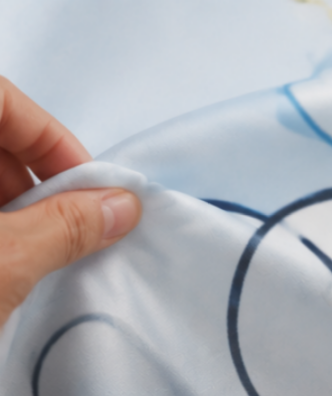
That fabric underneath makes all the difference. When you run your hand over it, it doesn’t feel like a sheet of plastic—it has a bit of softness and weight. It drapes nicely over the edges instead of sticking out stiffly. If you’re used to traditional table linens but want something you can just wipe after dinner, oilcloth is a good middle ground.
I find they work best on dining tables where you still care about the look. Think weekend breakfasts, family dinners, or when you’ve got friends over for tea.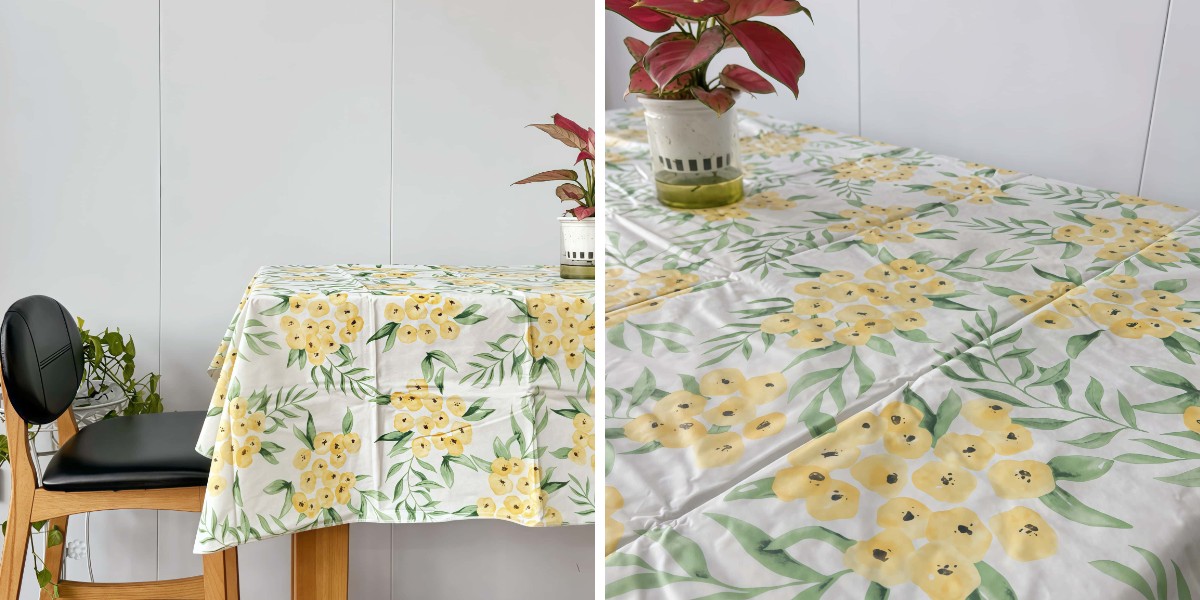
PVC Tablecloths – The “Practical Workhorse”
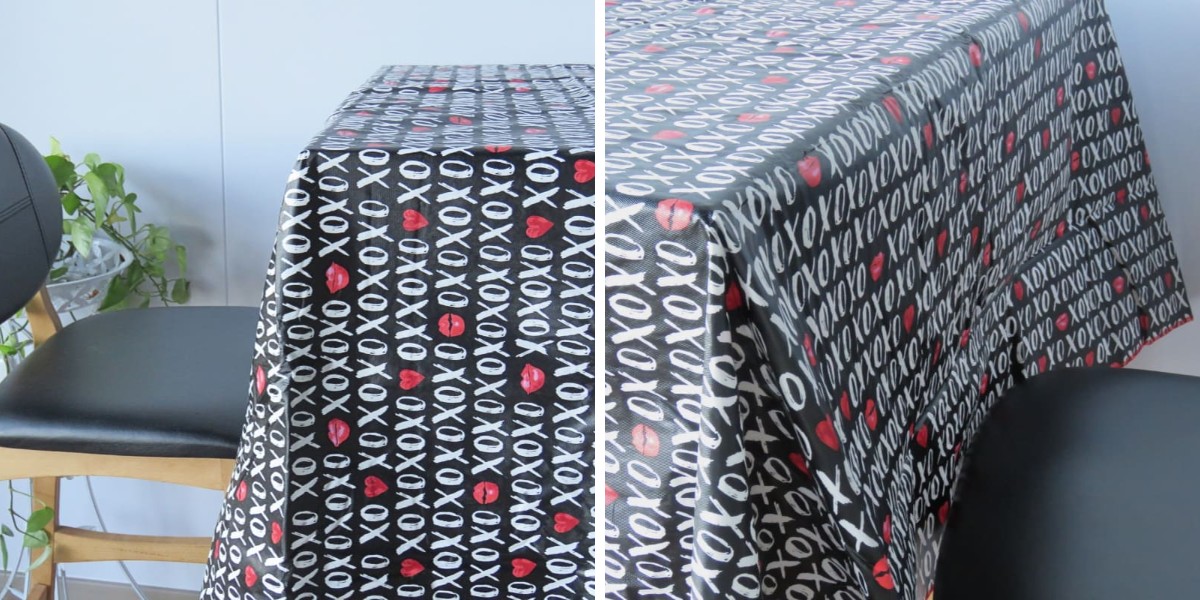
A PVC tablecloth, on the other hand, is pure plastic—top, bottom, and all the way through. That makes it tough as nails. You can spill spaghetti sauce, wine, even a bit of candle wax, and it’ll wipe right off.
They don’t drape quite as softly as oilcloth tablecloths. In fact, they can feel a bit stiff when new. But for big gatherings or anything outdoors, that’s actually an advantage—they don’t flap around as much, and they’re harder to damage.
If you’re in charge of event table linens for a wedding buffet or a kids’ party, PVC is often the cheaper and more durable option. I’ve seen the same PVC cloth used at our community hall for years—it’s not pretty anymore, but it’s still going strong.
Oilcloth vs. PVC – The Key Differences
| Feature | Oilcloth Tablecloths | PVC Tablecloths |
|---|---|---|
Material | Fabric base with vinyl (PVC) coating | 100% PVC plastic |
Look & Feel | Softer, more like fabric; better drape | Stiffer, more utilitarian |
Durability | Very durable but can crack over many years | Extremely durable and water-resistant |
Maintenance | Wipeable, not machine washable | Wipeable, not machine washable |
Style Variety | Often printed with vibrant patterns | Often plain or with bold, simple prints |
Price Range | Mid-range | Often the more budget-friendly choice |
 Picking the Right One for You
 Picking the Right One for You
If you want your dining table to still feel dressed up, oilcloth tablecloths are worth it. You get the easy-clean surface without losing the look of fabric.
But if you’re covering tables for a school event, a community fundraiser, or a big outdoor BBQ, PVC will save you money and survive whatever you throw at it.
In my house, I keep one of each. Oilcloth for everyday meals, PVC for those messy birthday parties when I know cake icing will end up everywhere.
A Few Tips to Make Them Last
Don’t put hot pans straight on them—the heat can warp the coating.
Roll them up for storage instead of folding; it avoids permanent creases.
Clean spills quickly, especially if it’s curry, wine, or tomato sauce.