The Ultimate Guide to Waterproof Shower Curtain Materials: PEVA, Vinyl, and More
When it comes to upgrading your bathroom, one small detail can make a big difference — the shower curtain. It’s not just about style or color; it’s about functionality, durability, and keeping your bathroom dry and fresh. Choosing the right waterproof shower curtain isn’t as simple as grabbing the first one you see. The material you choose can affect everything — from how often you have to clean it to how eco-friendly your home is.
Let’s dive into the different shower curtain materials, their pros and cons, and how to find the perfect one for your bathroom.
1. Why Material Matters for a Shower Curtain
A good waterproof shower curtain should do two things well: keep water inside the tub and resist mold or mildew. But the material also affects the curtain’s texture, transparency, and lifespan.
You’ll find several options on the market — PEVA, vinyl, polyester, and fabric blends — each with its own advantages.
If you’ve ever dealt with a damp, smelly curtain or constant mildew buildup, you already know why it’s worth paying attention to the material.
2. PEVA: The Popular, Eco-Friendly Choice
PEVA (Polyethylene Vinyl Acetate) has become one of the most popular materials for waterproof shower curtains — and for good reason.
It’s PVC-free, non-toxic, and considered an eco friendly waterproof shower curtain material. Unlike traditional vinyl, PEVA doesn’t release strong chemical smells or harmful chlorine gases. That makes it safer for your family and better for the environment.
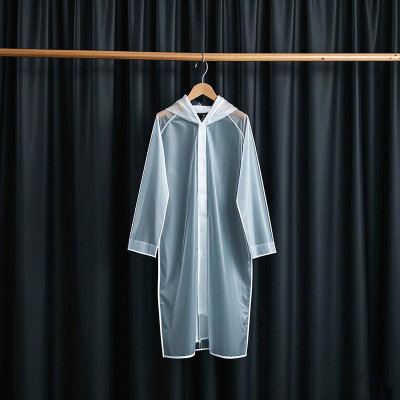
PEVA is also naturally water-repellent and easy to clean — just wipe it down with a damp cloth. It’s lighter than vinyl and often available in clear or frosted styles, giving your bathroom a fresh, airy look.
If you want a mildew resistant shower curtain that’s stylish and low-maintenance, PEVA is a great pick.
3. Vinyl: Budget-Friendly and Heavy-Duty
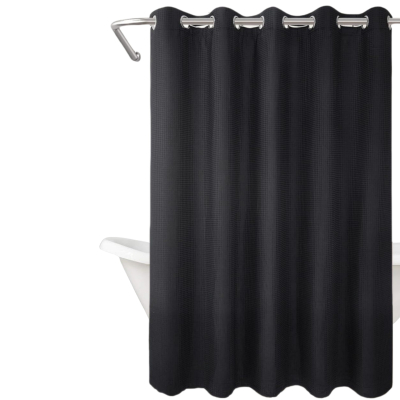
Vinyl shower curtains are everywhere — and that’s mainly because they’re affordable and truly waterproof. A vinyl waterproof shower curtain is thick, durable, and doesn’t let a single drop of water escape.
However, traditional vinyl (PVC) curtains can release a noticeable plastic odor and may contain chemicals not ideal for sensitive users. If you’re on a budget, vinyl works well, but it’s worth looking for non-toxic vinyl or PEVA alternatives if you’re eco-conscious.
On the bright side, vinyl curtains are easy to wipe clean and last for years with minimal care. For heavy-use bathrooms or rentals, they’re a practical option.
4. Fabric Shower Curtains: Soft and Elegant
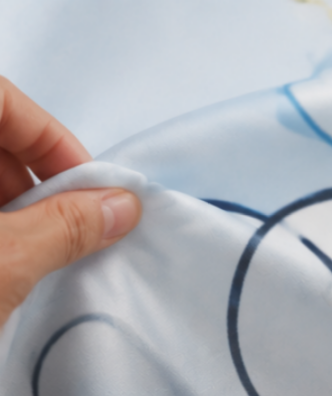
If you prefer a softer, more decorative look, a fabric shower curtain — usually made from polyester or cotton blends — might be your style.
While fabric curtains look great, they’re not naturally waterproof. Most people pair them with a waterproof shower curtain liner to stop water from seeping through.
The benefit? Fabric curtains drape beautifully, come in endless prints, and can be tossed into the washing machine. To keep them mildew-free, always let them dry completely between uses.
5. The Role of a Shower Curtain Liner
Many people wonder: “Do I really need a liner if my curtain is waterproof?”
Here’s the deal — even the best waterproof shower curtain can benefit from a liner. A waterproof shower curtain liner adds an extra layer of protection, keeps water from escaping, and helps extend the life of your decorative outer curtain.
Linens made of PEVA or EVA are great choices since they’re mildew resistant and easy to clean. If you prefer fabric curtains for their style, using a liner is almost a must.
6. Mildew Resistance: A Must-Have Feature
Let’s be honest — nobody likes dealing with a slimy, moldy curtain. That’s why a mildew resistant shower curtain is worth investing in.
Materials like PEVA, EVA, or treated polyester naturally resist mold growth. If you live in a humid climate or don’t have great ventilation in your bathroom, look for this feature on the label.
To keep your curtain fresh longer, always stretch it out after showers and let it air dry. A quick wipe once a week makes a huge difference.
7. Eco-Friendly Options Are the Future
Sustainability is no longer just a buzzword — it’s becoming a lifestyle. If you want to make your home greener, go for an eco friendly waterproof shower curtain made from PEVA, recycled polyester, or hemp blends.
These materials skip harsh chemicals, use less energy to produce, and are safer for you and the planet. Bonus: they often look more high-end than traditional plastic ones.
8. How to Choose the Right One for You
When shopping for the perfect waterproof shower curtain, consider:
Material: PEVA or fabric with liner for eco-conscious buyers, vinyl for durability.
Maintenance: Wipe-clean materials like PEVA are easiest to maintain.
Style: Transparent PEVA for modern bathrooms, printed fabric for cozy vibes.
Function: If you hate mold, prioritize a mildew resistant shower curtain.
The right curtain doesn’t just keep water in — it sets the tone for your whole bathroom.
9. Cleaning and Maintenance Tips
Even the best waterproof shower curtain needs care to stay fresh:
Rinse or wipe it weekly to prevent soap scum buildup.
Keep the curtain closed after each shower so it can dry evenly.
For fabric types, wash them on a gentle cycle and air dry.
Replace the liner every few months if it shows signs of wear.
Good maintenance not only extends the life of your curtain but keeps your bathroom smelling clean.
10. Final Thoughts
A shower curtain may seem like a small detail, but the right one makes your bathroom more functional, stylish, and hygienic. Whether you go with a PEVA waterproof shower curtain, a vinyl liner, or a mildew resistant fabric, choosing wisely will save you time and hassle down the line.
If you’re aiming for a balance of eco-friendliness, durability, and easy care, PEVA is your best bet. It’s safe, modern, and just works — no fuss, no musty smell, and no mold.
In short:
A high-quality waterproof shower curtain is one of the simplest upgrades you can make for a cleaner, more comfortable bathroom. Choose well, care for it properly, and it’ll serve you beautifully for years.