Stall Shower Curtain vs Standard Shower Curtain: What’s the Difference?
If you’ve ever bought a shower curtain online and thought, “Why does this feel completely wrong?”—you’re not alone. A lot of that confusion comes down to one simple thing: size.
Most people assume a shower curtain is just a shower curtain. Hang it up, job done. But once you’re dealing with a small shower space, especially a narrow stall, that assumption stops working. This is usually when the term stall shower curtain starts popping up, and suddenly things feel more complicated than they should be.
So let’s slow it down and talk through the real difference between a stall shower curtain and a standard one—without the sales talk.
Why “Standard” Doesn’t Always Mean “Right”
A standard shower curtain is made for the most common setup: a bathtub with a shower. That’s why the typical size sits around 72 x 72 inches. It needs extra width to wrap around a tub and still keep water inside.
In a full bathroom, that size works fine. In a shower stall? Not so much.
What usually happens is:
Too much fabric bunches at the sides
The curtain blocks part of the opening
It sticks to you when the water’s on
Technically, it still works. Practically, it feels annoying every single day.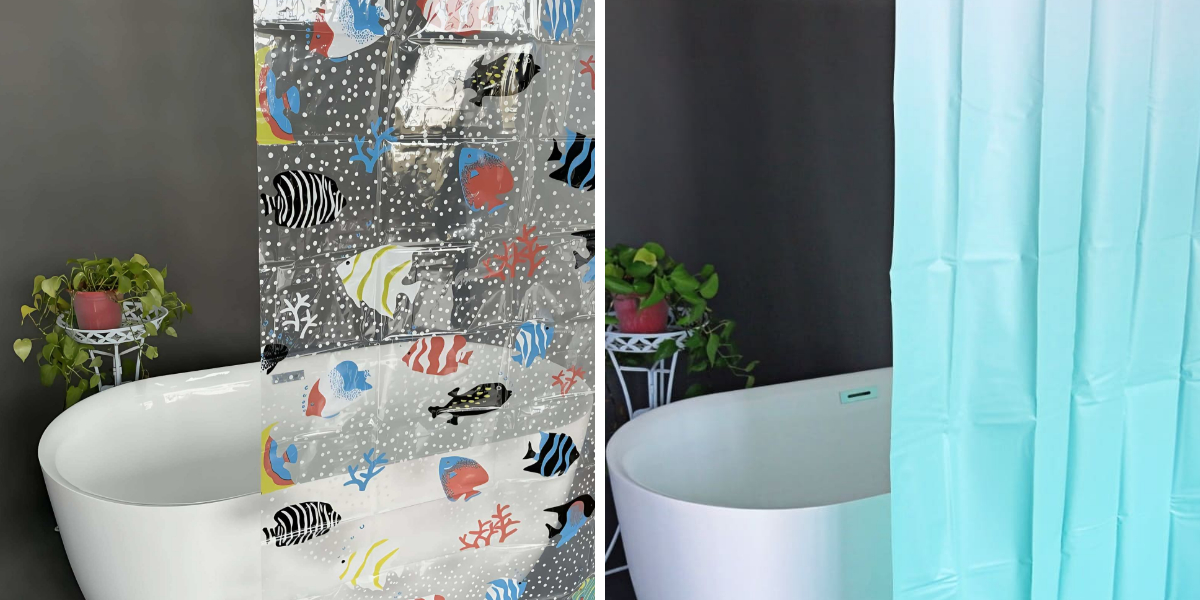
What Makes a Stall Shower Curtain Different?
A stall shower curtain is built for smaller, tighter spaces—stand-alone showers with no tub underneath. These are common in apartments, guest bathrooms, hotels, and even RVs.
Instead of being extra wide, stall curtains are cut down to fit the opening better. Most of them fall somewhere between 36 and 40 inches wide, with a similar length to standard curtains.
That narrower width sounds like a small detail, but it changes everything:
The curtain hangs straighter
There’s less excess fabric
Water stays where it should
In other words, it behaves the way you expect a shower curtain to behave.
The Fit Is the Real Difference
If you compare a stall shower curtain vs standard shower curtain, the biggest difference isn’t the material or the style—it’s the fit.
A standard shower curtain assumes you need coverage for a wide area. A stall shower curtain assumes you don’t.
When the curtain actually matches the space:
You don’t have to shove fabric out of the way
The bottom doesn’t drag or fold weirdly
The whole shower just feels easier to use
That’s why people who switch to a stall shower curtain usually don’t go back.
Water Control in Small Showers
There’s a common belief that more fabric equals better water protection. In a shower stall, that’s often not true.
Too much curtain tends to fold inward, especially once the water’s running. Gaps form, water escapes, and suddenly you’re wiping the floor after every shower.
A properly sized stall shower curtain sits closer to the opening, which helps:
Keep the spray inside
Reduce side leaks
Limit movement from airflow
It’s not about covering more space—it’s about covering the right space.
How It Affects the Look of the Bathroom
Small bathrooms are unforgiving. Anything oversized stands out immediately.
A full-size shower curtain in a narrow stall can make the whole room feel crowded, even if everything else is clean and minimal. A stall shower curtain keeps things visually balanced.
That’s why designers often recommend:
Light colors
Simple patterns
Clear or semi-clear vinyl
Not because they’re trendy, but because they don’t fight the size of the room.
“Short” Shower Curtains Aren’t Always Stall Curtains
This trips people up all the time.
A short shower curtain usually refers to length, not width. It might be shorter top to bottom, but still wide enough for a tub.
A stall shower curtain, on the other hand, is about width first.
So if you’re shopping and only see the word “short,” don’t assume it’s made for a shower stall. Always check both measurements.
Measuring Before You Buy (Worth the 2 Minutes)
Before ordering any shower curtain, especially for a stall, grab a tape measure.
What you want to know:
Width of the shower opening
Height from rod to floor
Most stall showers don’t need extra overlap. A little is fine. Too much just causes problems later.
A good fit usually means:
Curtain covers the opening cleanly
Bottom hangs just above the floor
No heavy bunching at the sides
Simple, but it saves a lot of frustration.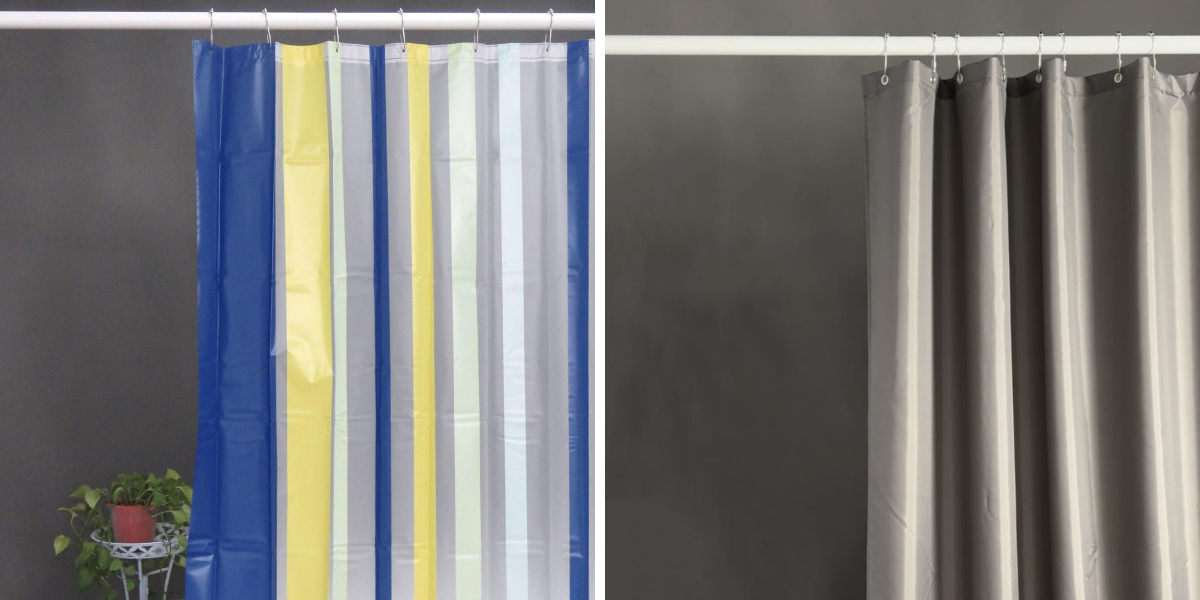
Material Still Matters
Even with the right size, the wrong material can ruin the experience.
A vinyl stall shower curtain is popular for a reason:
Fully waterproof
Easy to wipe clean
Holds its shape well
Fabric shower curtains look nicer in some bathrooms, but they usually need a liner—adding bulk in an already tight space.
That’s why hotels and rentals almost always stick with vinyl for stall showers. It’s practical, predictable, and low-maintenance.
So Which One Should You Choose?
If your shower is narrow and doesn’t include a tub, a stall shower curtain usually makes life easier. It fits better, looks better, and does the job without getting in the way.
A standard shower curtain still has its place—just not in every bathroom.
Before buying, look at the space you actually have, not the one the packaging assumes you have.