Non Toxic Mattress Protector: What It Is and Why Your Bedroom Needs One
Most of us don’t really think about what’s on our bed. Sheets get washed, pillows get replaced, but the mattress usually gets ignored until something spills or starts feeling a bit “off.” That’s actually why more people have started turning to a Non toxic mattress protector—not just for protection, but for making the whole sleep space feel cleaner and safer.
If you’ve ever unwrapped a plastic-like protector and got hit with that strong chemical smell, you’ll understand why “non toxic” matters.
So, what makes it “non toxic”?
A Non toxic mattress protector is basically a regular mattress protector, just without the harsh stuff—no PVC, no phthalates, no mystery coatings. The good ones use materials like:
organic cotton
bamboo-based fabrics
safer waterproof layers (usually TPU instead of vinyl)
It still does the job: keeps spills out, stops sweat from soaking in, blocks dust mites… but without the heavy chemical odor or plastic feel.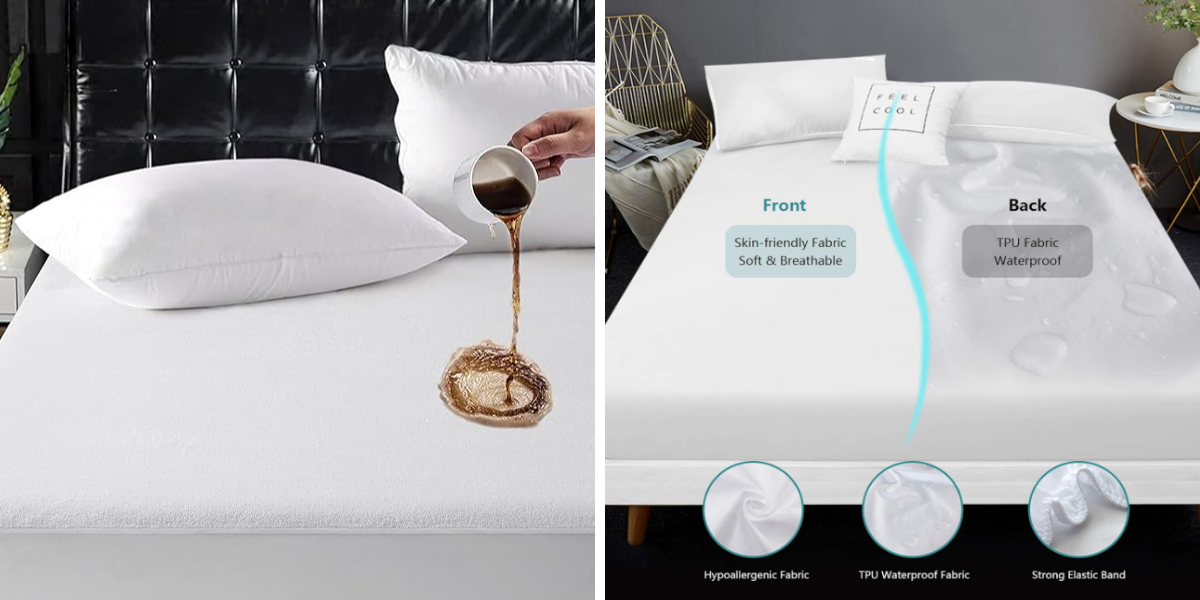
Why people are switching to non toxic protectors
1. The air in your bedroom just feels cleaner
You sleep right next to your mattress for hours every night. Some waterproof protectors release that “chemical plastic smell,” especially when new. Non-toxic options avoid that completely.
2. Sensitive skin stops freaking out
A lot of people don’t realize their skin reacts to chemicals in bedding. Natural, untreated fabrics just feel calmer and cooler.
3. Great for kids and anyone with allergies
A non toxic waterproof mattress protector is a big win for parents—protects the mattress without exposing kids to weird materials. Also helpful for people who deal with:
dust mite allergies
sensitive skin
asthma
nighttime sweating
4. You don’t overheat at night
The breathable ones (cotton, bamboo, etc.) feel less “trapped” compared to loud, plasticky protectors. TPU waterproofing is quiet and flexible, which makes a huge difference.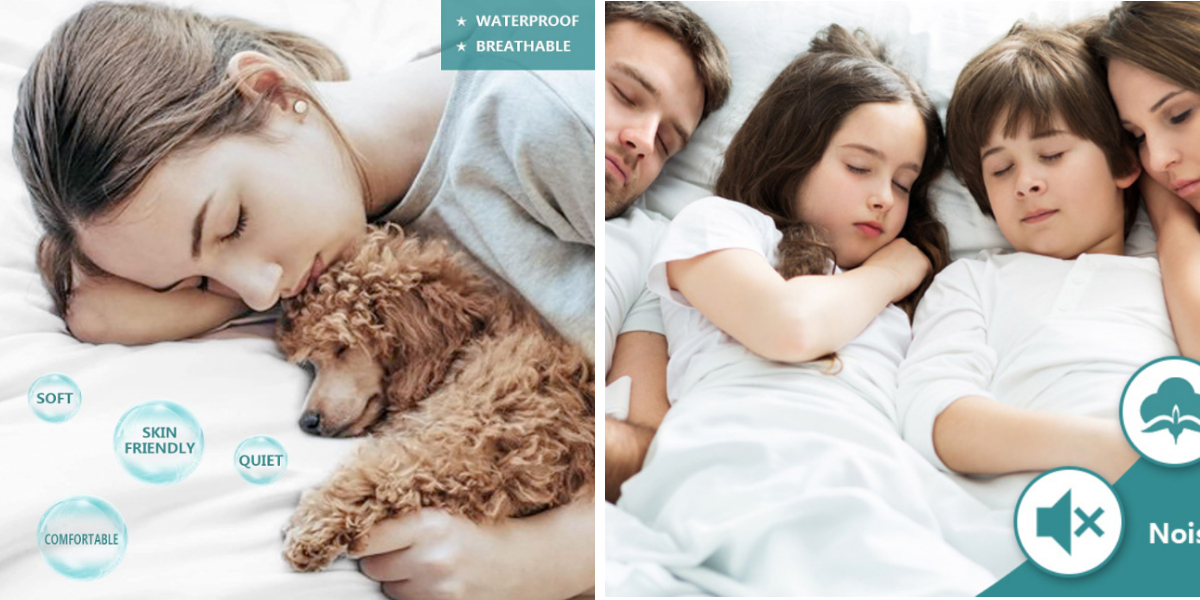
Let’s talk materials (the simple version)
Organic cotton → soft, familiar, breathable
Bamboo → cooler, great for sweaty sleepers
TPU waterproof layer → no odor, flexible, much safer than PVC
Blends → cotton/poly mix with TPU, budget-friendly but still safe
Nothing complicated—you just want something that feels comfortable and doesn’t off-gas.
What to look for when buying one
• Breathability
If it feels like a raincoat, skip it.
• Waterproofing that isn’t noisy
A good mattress protector should be silent.
• Certifications
OEKO-TEX is the most common and easy to trust.
• Deep pockets
If you have a thick mattress or topper, you’ll thank yourself.
• Easy washing
If you have pets or kids, this matters a lot.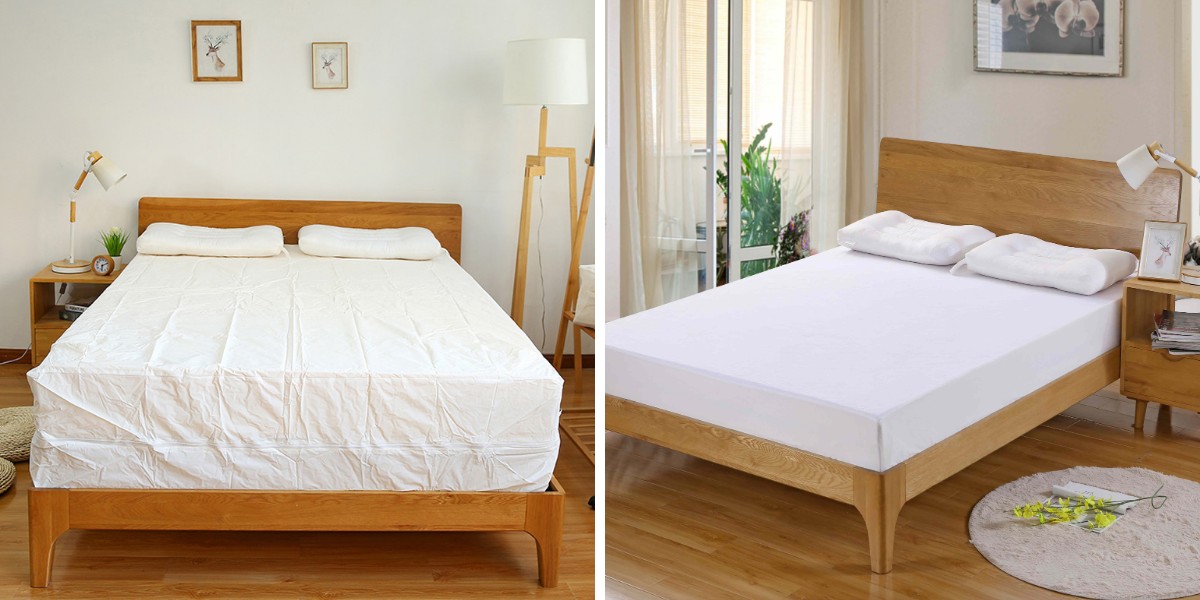
Who benefits the most?
Honestly, almost anyone. But especially:
people with allergies
families with kids
sleepers who run warm
people who want “cleaner” bedding
anyone replacing an old vinyl protector that feels too hot
It’s one of those small changes that improve your sleep setup more than you’d expect.
Does it make your mattress last longer? Absolutely.
A protector—any protector—keeps your mattress from absorbing sweat, spills, oils, dust mites. A Non toxic mattress protector just does it more safely and usually more comfortably.
Your mattress stays fresher, smells better, and doesn’t wear out as fast.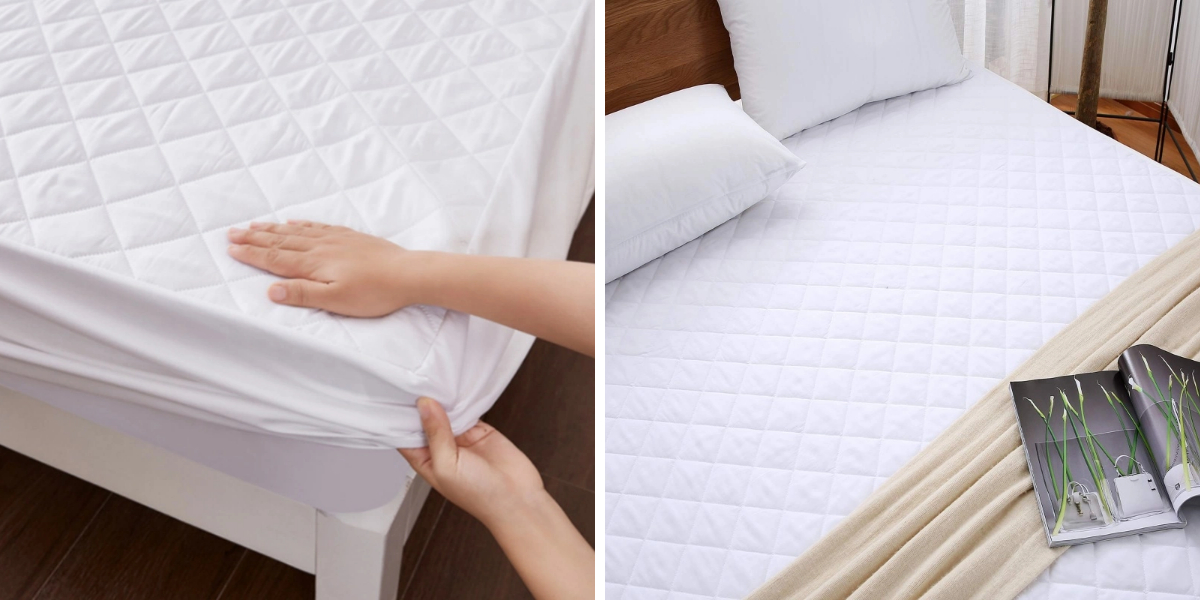
A few simple care tips
Wash with mild detergent
Avoid bleach
Dry on low heat
Air-dry occasionally to keep it breathable
Nothing fancy—you treat it like a nice sheet.
Final takeaway
If you want a bedroom that feels healthier, quieter, and simply more comfortable, starting with a Non toxic mattress protector is a pretty easy upgrade. It protects your mattress, feels better against your skin, and makes your sleep space a whole lot calmer—no chemical smell, no stiff plastic, no heat trap.
It’s a small product, but it fixes a surprisingly big part of your nightly routine.