Mattress Protector Size Options: Standard, Oversized, and Custom Made
If you’ve been in the bedding space for a while, you already know this:
most complaints about a mattress protector are not about fabric or waterproofing. They’re about fit.
Too tight.
Corners popping off.
Slipping after one wash.
Almost every time, it comes back to Mattress Protector Size.
Mattresses aren’t what they used to be. They’re thicker, softer, and often customized. But many people still buy protectors the same way they did ten years ago — by label only. That’s where problems start.
Why Mattress Protector Size Is Often Overlooked
Size feels basic, so buyers rush past it.
“Queen is Queen.”
“King is King.”
In theory, yes. In real life, not always.
A mattress protector has to wrap around the mattress, stay in place overnight, survive repeated washing, and still look neat. If the size is even slightly off, none of that happens consistently.
A good mattress protector can fail simply because the size wasn’t right.
Standard Mattress Protector Size: When It Works (and When It Doesn’t)
Standard mattress protector sizes are designed for traditional mattresses — the kind that sit around 9 to 11 inches thick.
For:
Older mattresses
Guest rooms
Kids’ beds
a standard mattress protector size usually works just fine.
The issue is that many modern mattresses don’t fit into that “standard” box anymore.
Once you move into memory foam or pillow-top territory, standard sizing starts to feel tight very quickly.
Mattress Depth: The Part Most Buyers Miss
Ask people what size mattress they have, and they’ll tell you length and width.
Ask about depth, and most have no idea.
Depth is where most sizing issues come from.
A protector might technically match the mattress size, but if the pocket depth is too shallow, it won’t stay on. Corners lift, elastic stretches, and after a few washes, the protector is basically done.
That’s why deep pocket mattress protectors exist.
If a mattress is over 12 inches thick, depth should always be checked before choosing a mattress protector.
Oversized Mattress Protector Size: Extra Room Makes a Difference
An oversized mattress protector size doesn’t mean it looks baggy. It simply gives the product more tolerance.
This option works especially well for:
Thick foam mattresses
Pillow-top beds
Hotel mattresses with toppers
Adjustable beds
In practice, oversized protectors last longer. The fabric isn’t under constant tension, and the elastic doesn’t fight the mattress every night.
For many commercial buyers, oversized sizing quietly solves problems they didn’t realize were size-related.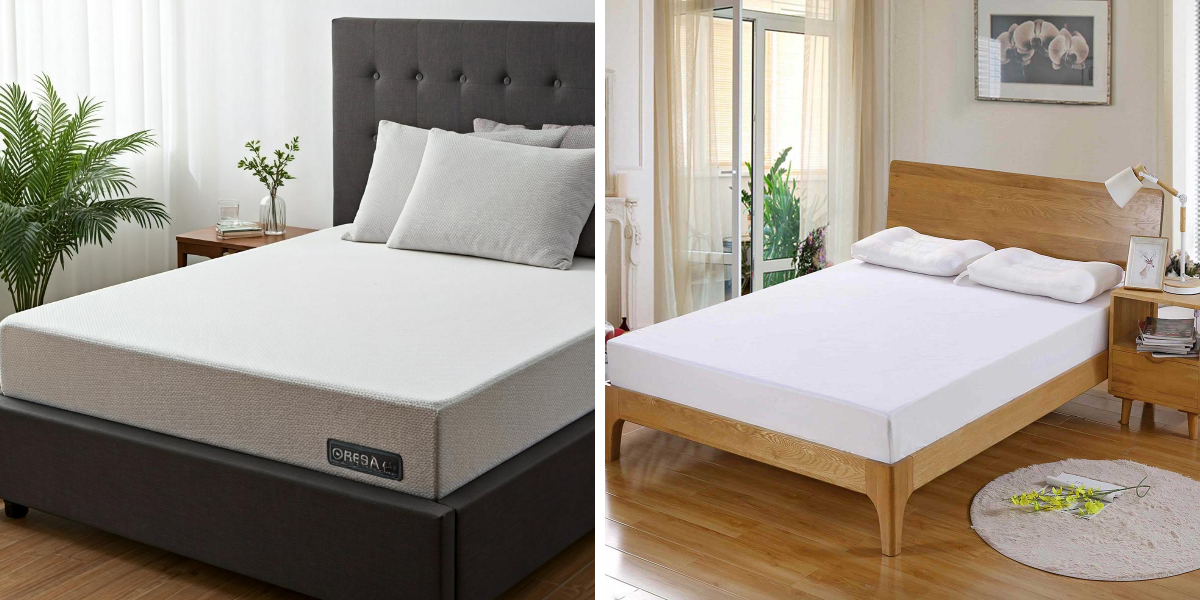
Mattress Protector Size and Mattress Type
Different mattresses behave differently, even when they share the same label.
Memory foam mattresses tend to be heavy and deep. They almost always need deeper pockets.
Hybrid mattresses vary a lot. Some fit standard sizes, others don’t. Measuring matters.
Pillow-top mattresses are the most problematic with standard protectors. Tight fit leads to faster wear.
Adjustable beds need flexibility. A slightly oversized mattress protector usually performs better over time.
Choosing the right Mattress Protector Size isn’t just about numbers — it’s about how the mattress moves and compresses.
Custom Made Mattress Protector Size: When Nothing Else Fits
There are plenty of situations where standard or oversized options still don’t work.
That’s when custom mattress protector size makes sense.
Custom sizing is often used for:
RV or boat mattresses
Medical and care facility beds
Boutique hotels with unique mattress specs
Projects that need consistency across multiple locations
A custom mattress protector allows control over every detail: dimensions, pocket depth, elastic strength, even fabric weight.
For bulk buyers, this often reduces long-term issues like returns, replacements, and uneven fit across rooms.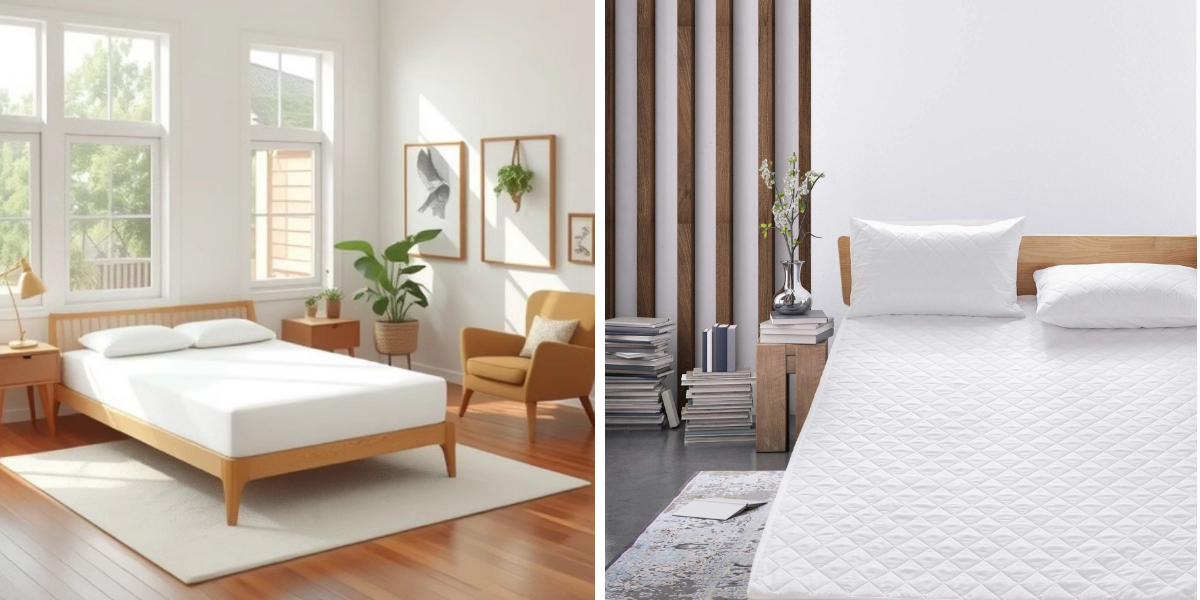
Mattress Protector Size in Hotels and Commercial Settings
In hotels, size problems show up fast.
Housekeeping notices when corners won’t stay on.
Guests notice when bedding shifts.
Laundry teams notice when protectors wear out early.
That’s why many hotels move away from strict standard sizing and choose oversized or custom mattress protector size options instead.
It makes daily work easier and extends product lifespan — two things hotels care about far more than saving a small amount upfront.
Common Mattress Protector Size Mistakes
These come up again and again:
Assuming all mattresses of the same size are identical
Ignoring mattress depth completely
Choosing standard sizes for thick mattresses
Forgetting that repeated washing affects fit
A quick measurement before buying a mattress protector avoids most of these issues.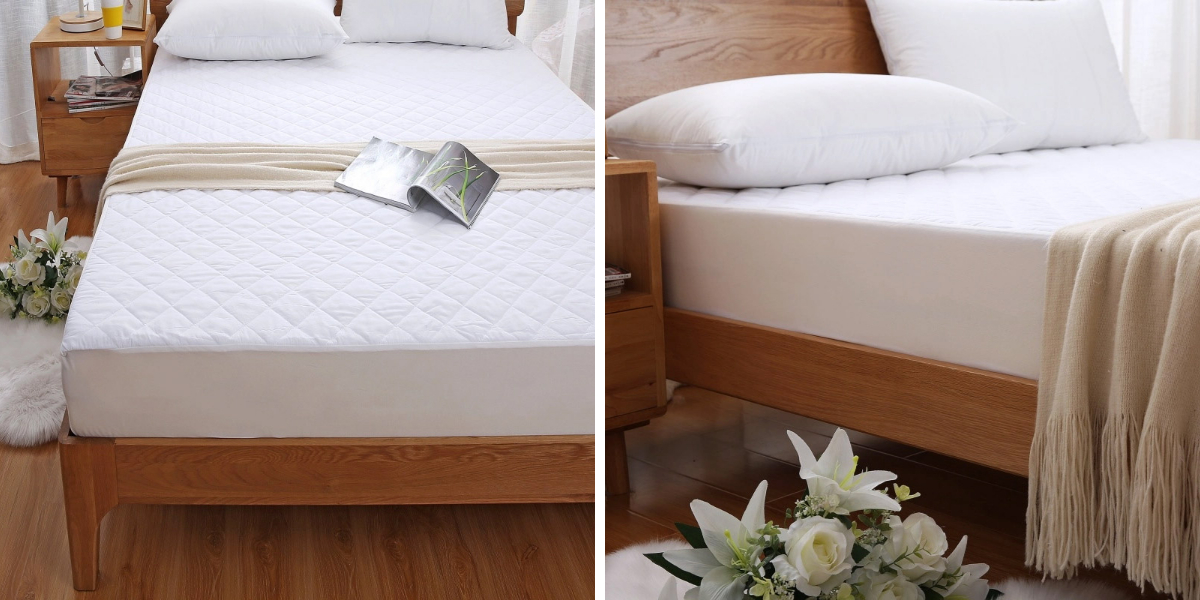
Choosing the Right Mattress Protector Size
A simple approach works best:
Measure length, width, and depth
Identify mattress type
Decide if standard, oversized, or custom sizing makes sense
Consider how often the protector will be washed
The right Mattress Protector Size doesn’t draw attention to itself. It just works.
Final Thoughts
Most mattress protector problems aren’t material problems. They’re sizing problems.
Standard, oversized, and custom-made options all exist for a reason. Matching the mattress protector to the actual mattress — not just the label — makes a real difference in comfort, durability, and customer satisfaction.