How Fabric Structure Affects Breathability in Mattress Protectors
When buyers ask about a mattress protector, the word “breathable” comes up a lot. Most of the time, the question sounds simple: Is this fabric breathable or not?
In practice, it’s rarely that simple.
Two mattress protectors can use similar materials and still feel very different once they’re on the bed. The reason usually comes down to fabric structure, not the label on the fabric.
Breathability Is About How Air Moves, Not Just What the Fabric Is
A mattress protector sits in a tricky position. It has to protect the mattress, handle moisture, and still stay comfortable all night. If air can’t move through it, heat builds up fast.
This is why some “waterproof” mattress protectors feel fine for a few hours, then start to feel warm or slightly sticky. The material itself may be fine, but the structure is working against it.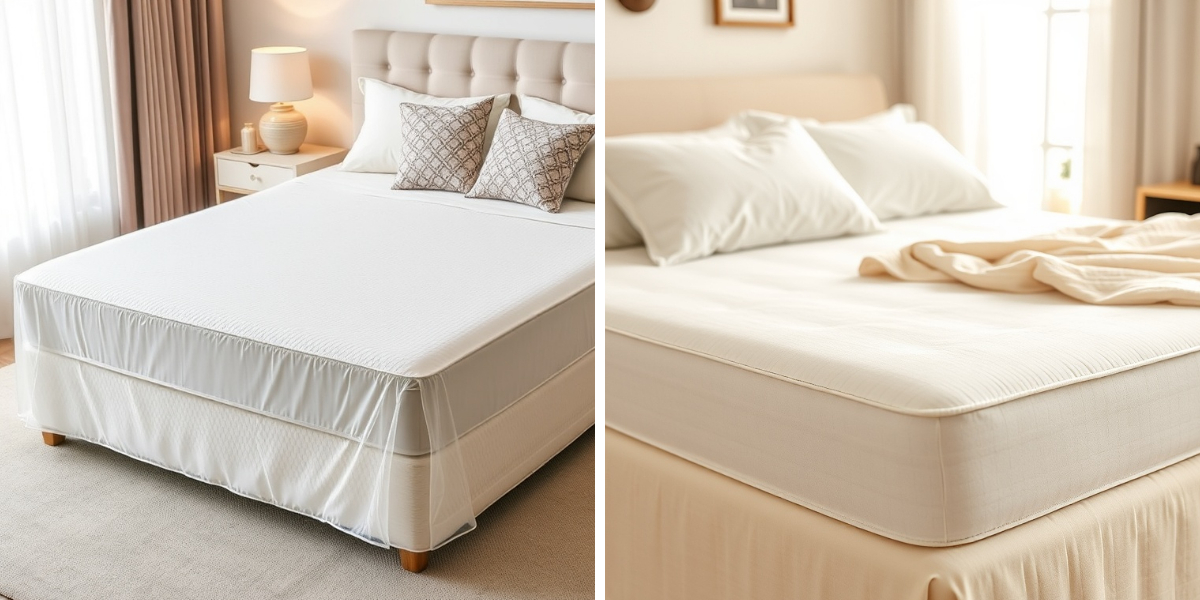
Knitted vs. Woven: Why They Feel Different
Knitted fabrics are common in Breathable Mattress Protectors, especially on the sleeping surface. They stretch a bit when weight is applied, which creates tiny spaces for air to move.
That’s why knitted surfaces usually feel:
Softer
Less stiff
Cooler during longer sleep periods
Woven fabrics behave differently. They’re more stable and hold their shape well, which is useful in hotel or commercial settings. But if the weave is too tight, airflow drops quickly. The mattress protector may last longer, but comfort takes a hit.
Density Matters More Than Most People Expect
Fabric density doesn’t show up clearly in photos or basic product descriptions, but it makes a real difference in use.
A very dense mattress protector:
Blocks airflow
Traps heat
Feels warmer over time
A very loose structure improves breathability but may wrinkle easily or wear faster. Most hotel-grade breathable mattress protectors sit somewhere in the middle.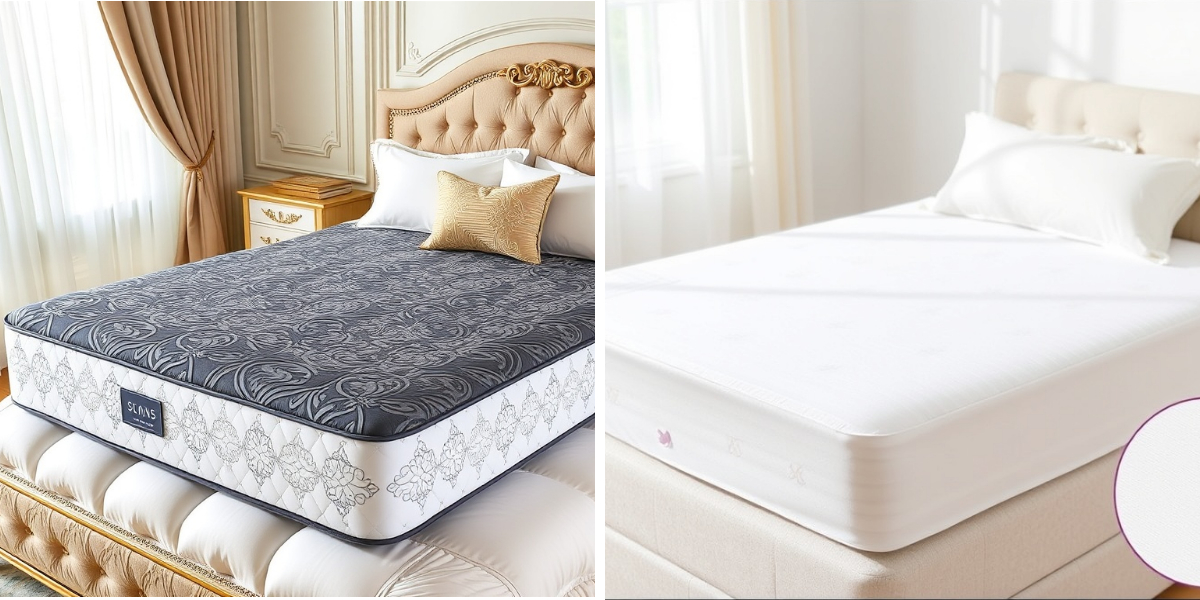
What Really Happens with Waterproof Layers
There’s a common assumption that once a mattress protector is waterproof, breathability is gone. That used to be true, but not anymore.
Thin TPU membranes can stop liquid while still letting moisture vapor pass through. The problem usually isn’t the membrane itself—it’s how it’s bonded.
When lamination is done too aggressively, the breathable mattress protector turns into a sealed sheet. When it’s done right, airflow stays consistent and the surface doesn’t feel clammy.
Layering Can Help or Hurt Breathability
Most modern mattress protectors use multiple layers. On paper, that looks like a good thing. In reality, more layers don’t always mean better comfort.
Poorly designed layering:
Compresses air paths
Reduces vapor movement
Makes the mattress protector feel warmer
Well-designed layering allows air to move sideways and upward, even with waterproof protection in place.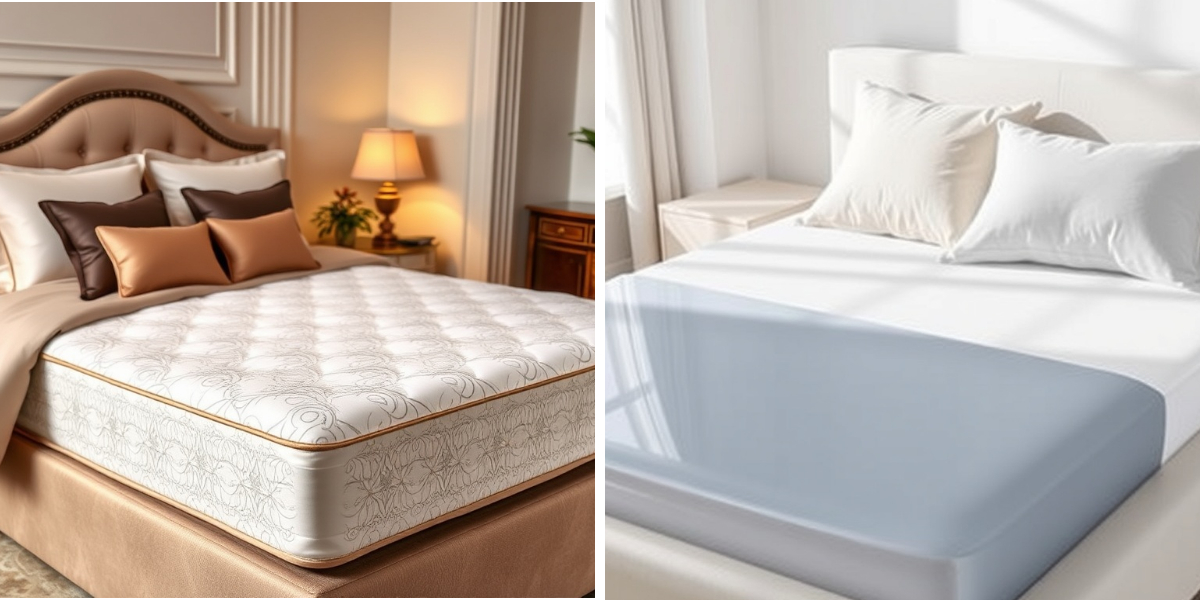
Why Hotels Care About Fabric Structure
Hotels rarely get complaints that say “this mattress protector isn’t breathable.” What they hear instead is:
“The bed feels warm”
“It gets uncomfortable at night”
“I keep waking up sweaty”
In many cases, the issue isn’t the mattress. It’s the mattress protector’s structure.
That’s why hotels often test breathable mattress protectors in real rooms before committing to large orders.
After Washing, Structure Becomes Even More Important
A mattress protector doesn’t stay new for long. Washing, drying, and daily use slowly change the fabric.
Better-structured breathable mattress protectors:
Bounce back after laundering
Don’t flatten permanently
Keep airflow consistent
Cheaper structures tend to compress. Once that happens, breathability drops, no matter what material was used originally.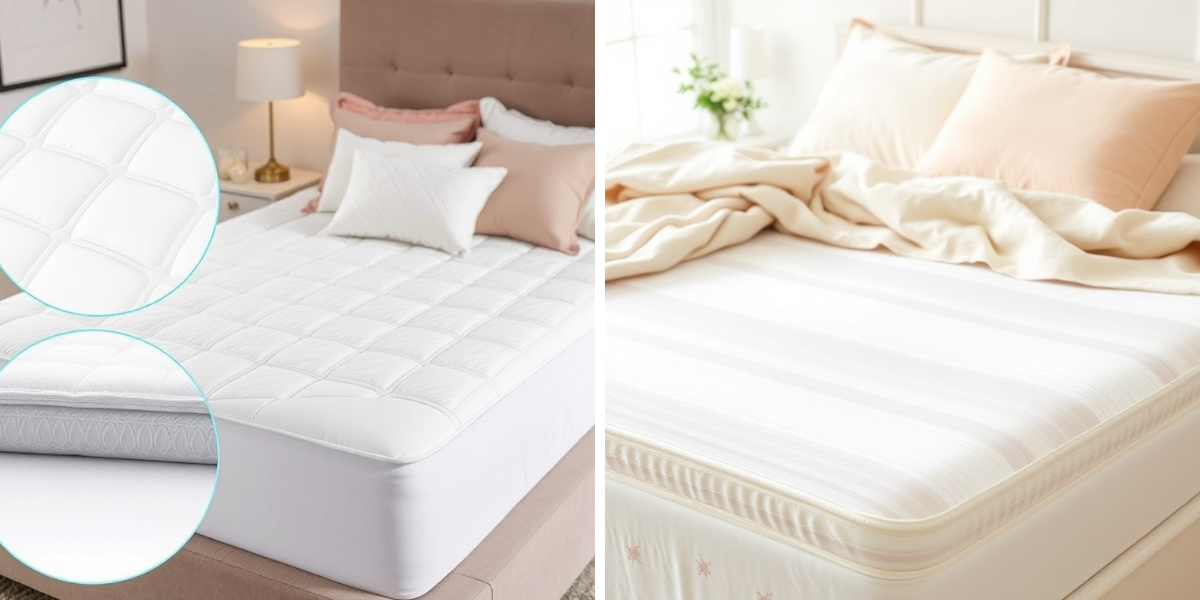
Final Thought (No Sales Talk)
If you’re choosing a Breathable Mattress Protector, don’t stop at the material description. Ask how it’s knitted or woven, how dense it is, and how the waterproof layer is bonded.
Those details usually explain why one mattress protector stays comfortable night after night, and another doesn’t.