Event Tablecloth Styling Tips for Indoor and Outdoor Events
When you walk into a well-organized event, you usually don’t notice the tables right away. They just feel right. More often than not, that comes down to one simple thing: the tablecloth.
At weddings, corporate events, outdoor parties, or trade shows, tables are everywhere. People gather around them, put things on them, take photos next to them. That’s why event tablecloths quietly shape how an event looks and feels, even if no one talks about them directly.
Below are practical styling tips for both indoor and outdoor events, based on how tablecloths actually get used in real settings—not just how they look in photos.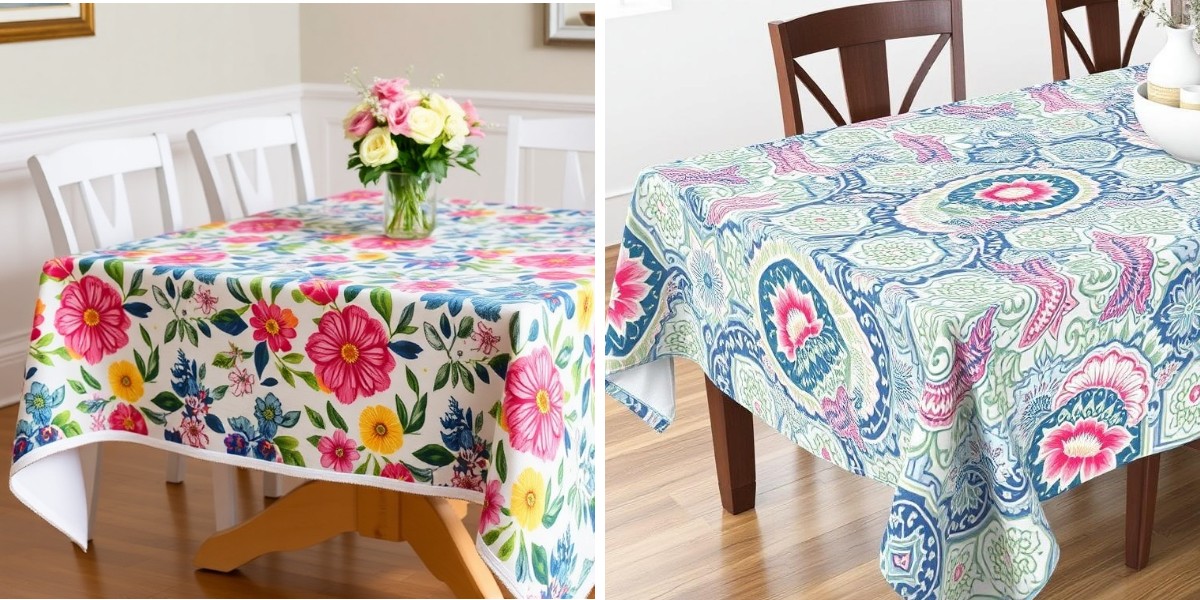
Start With the Table, Not the Tablecloth
Before choosing colors or fabrics, it helps to look at the tables themselves. The same tablecloth can look great on one table and awkward on another.
Most events use a mix of:
Rectangular tables for dining or buffets
Round tables for seated guests
Cocktail tables for standing areas
Each shape changes how event tablecloths fall and how much fabric you need. A round table usually looks best with a full drop. A buffet table often works better with a shorter one, especially if staff need access underneath.
Getting the size right solves half the styling problems before they start.
Indoor Events: Keep It Clean and Consistent
Indoor spaces give you more control, but they also leave less room for mistakes.
Choose a direction and stick with it
For formal indoor events, planners usually lean toward:
Floor-length event tablecloths
Neutral tones like white, ivory, or charcoal
Smooth, wrinkle-resistant fabrics
For more casual settings, shorter drops and softer colors often feel more natural. The important thing is consistency. Mixing different tablecloth lengths or fabrics in the same room tends to look unplanned, even if each tablecloth looks fine on its own.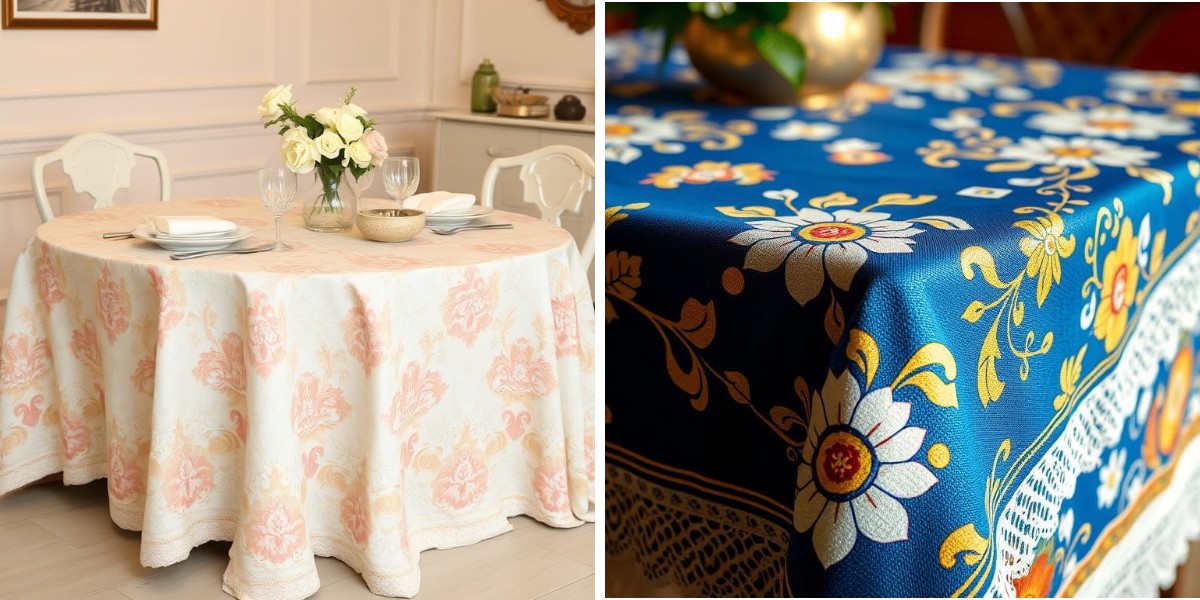
Use color to support the room, not fight it
If the venue already has strong lighting, flowers, or wall décor, a simple tablecloth often works best. White or light-colored event tablecloths reflect light and make the space feel open. Dark colors add contrast, but they also make imperfections more visible.
For corporate events, branded tablecloths make sense—but only if the color is easy on the eyes for several hours.
Layers work, but only when they’re subtle
Layering a tablecloth with a runner or overlay can add depth, especially for weddings or dinners. But too many layers start to look heavy. A neutral base tablecloth with one accent piece is usually enough.
If guests notice the tablecloth before the table setting, it’s probably doing too much.
Outdoor Events: Practical Always Comes First
Outdoor events look great in photos, but they’re harder on table linens.
Fabric weight matters outdoors
Light fabrics move easily in the wind. For outdoor event tablecloths, heavier materials or fitted designs tend to work better. Many planners use:
Polyester tablecloths
Fitted or elastic table covers
Clips or weights for standard tablecloths
These small details save a lot of adjusting during the event.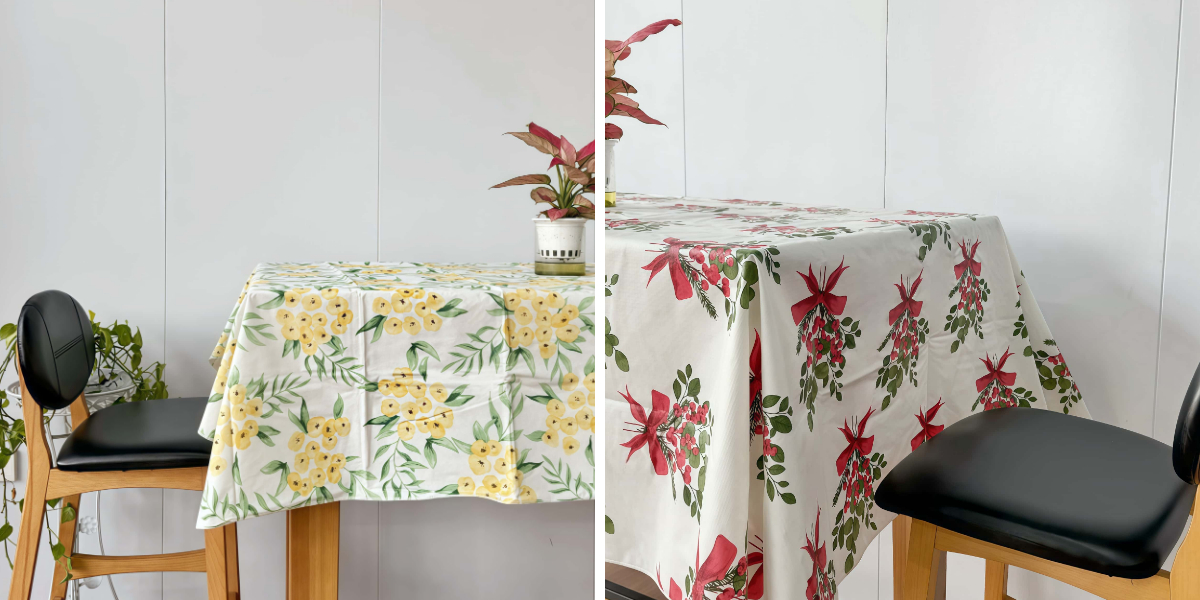
Expect spills, dirt, and movement
Outdoor tables deal with more traffic. Drinks spill. People lean on tables. Chairs get moved around. That’s why washable and reusable tablecloths are often a better choice than delicate fabrics.
Darker colors or patterned tablecloths also hide marks better, especially for food and drink areas.
Let the setting do some of the work
Outdoor events already have a backdrop—grass, sand, stone, or open sky. Neutral or natural-toned event tablecloths usually fit in better than very bold colors.
For casual outdoor events, a simple tablecloth that stays in place is more valuable than a decorative one that needs constant fixing.
Drop Length: Shorter Is Often Smarter Outdoors
Full-length tablecloths look elegant, but outdoors they can drag on the ground or collect dirt. Mid-length drops are easier to manage and still look neat.
For uneven ground, a shorter tablecloth often looks cleaner than a longer one that doesn’t hang evenly.
Different Events, Different Tablecloth Needs
Weddings
Couples usually prefer full-length event tablecloths with a consistent fabric across all tables. Soft colors and simple textures photograph well and don’t distract from centerpieces.
Corporate Events
Wrinkle-resistant tablecloths are a must. Neutral colors or brand tones work best, especially when tables are used for registration or product displays.
Trade Shows
Fitted tablecloths are common here. They stay in place, hide storage underneath, and make booths look organized even in busy halls.
Casual Parties and Community Events
Reusable tablecloths that are easy to clean tend to be the most practical choice. Style matters, but durability matters more.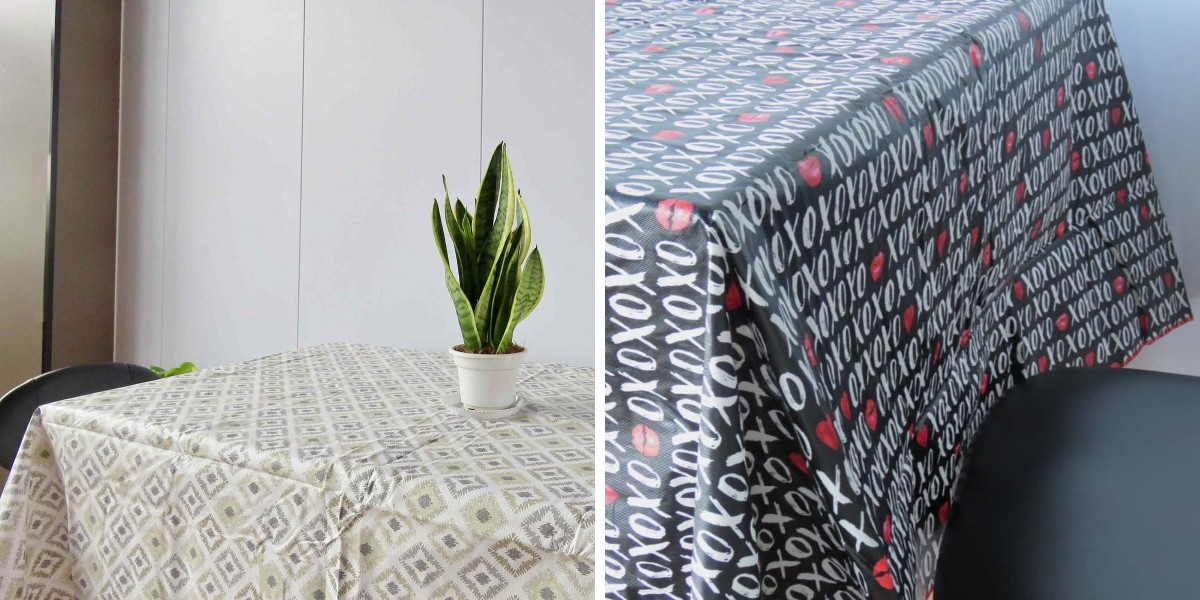
Fabric Choice Affects More Than Just Look
The fabric of a tablecloth changes how it behaves during the event.
Polyester tablecloths are popular because they hold their shape and wash well
Cotton blends feel softer but need more care
Plastic or vinyl table covers work for short, informal events
Spandex table covers give a modern look and stay put
For frequent use, polyester event tablecloths are usually the safest option.
Reusable Tablecloths Make Sense Long-Term
Disposable tablecloths seem convenient, but for venues, planners, and rental companies, reusable event tablecloths often cost less over time. They also look better and feel more appropriate for professional events.
After a few uses, the value becomes clear.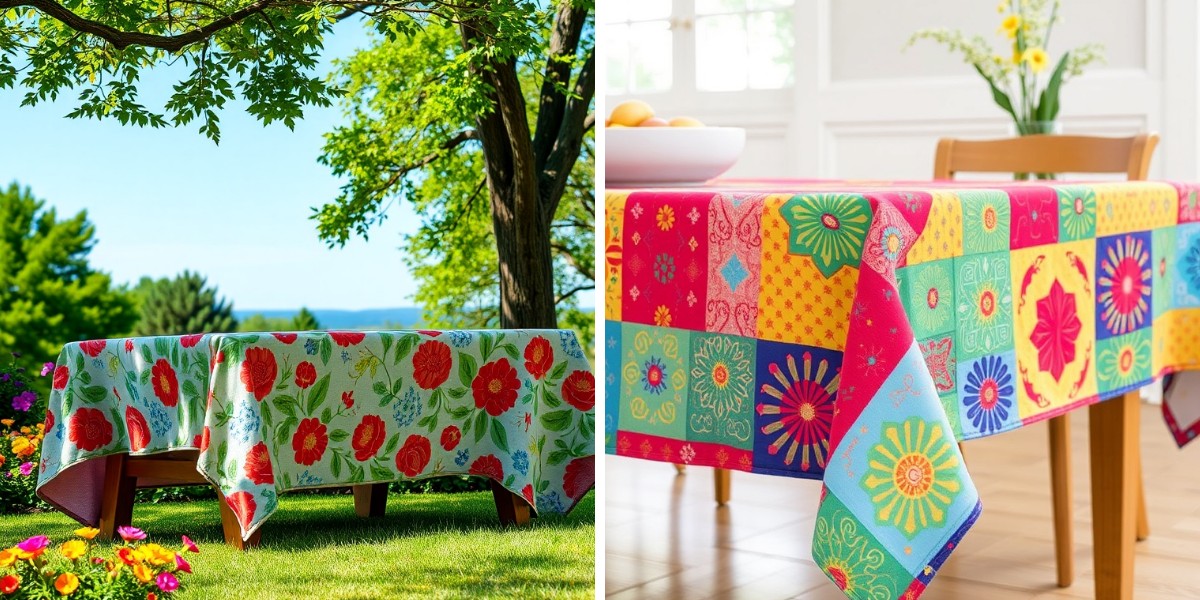
Final Thought
A tablecloth won’t make or break an event on its own. But when it’s the wrong size, the wrong fabric, or constantly slipping out of place, people notice.
Well-chosen event tablecloths don’t draw attention to themselves. They simply make the event feel organized, intentional, and comfortable—indoors or outdoors. And that’s usually exactly what good event styling is supposed to do.
Related Products